Fender maintenance Electric Two
Updated 4 months ago
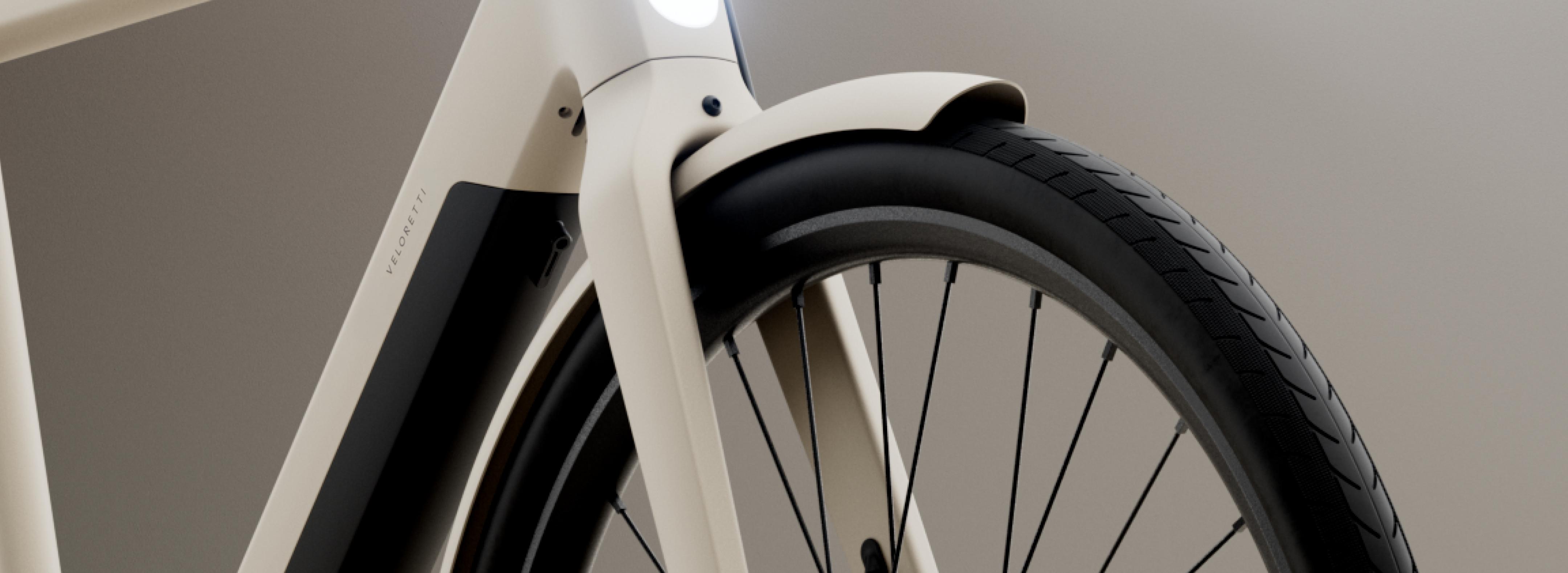
Fender maintenance Electric Two
Fender checks before you ride
Apply firm pressure to each fender to make sure it is completely rigid. If you notice movement around the mounting points or hear any rattling, the fender should be checked and adjusted before riding This simple safety check takes just a few seconds.
How to clean your fenders
Fenders are regularly exposed to road dirt, mud and salt, with most debris collecting underneath. If this is not removed, trapped dirt can hold moisture against the metal and may lead to corrosion over time. Cleaning the inside of the fenders is therefore just as important as cleaning the outside.
After wet or muddy rides, simply rinse your bike with a hose or bucket of water. Avoid using a pressure washer, as high pressure can force water into electrical connectors, bearings, and under the edges of the fender paint.
To clean the inside face:
Remove the wheel for clear access.
Use a soft brush or cloth to clear trapped dirt, paying extra attention to the stay brackets and mounting points.
Rinse with clean water and dry thoroughly before refitting the wheel.
Stick to mild, bike-safe cleaning products or diluted dish soap. Solvents, bleach, and acidic cleaners can damage the finish and are not covered by the Veloretti warranty.
Preventing and treating fender corrosion
Small chips and scratches in the paint are normal with daily riding. If exposed metal is left unprotected, moisture and road salt may reach the surface and lead to corrosion over time
Treating chips and paint damage promptly helps protect the exposed metal. Apply a small amount of suitable touch-up paint to seal the affected area and protect the surrounding finish.
Keep an eye on mounting points and the lower edges of the fenders, where stone chips and road splash occur most often. If you notice a dent, inspect it closely, as deformed metal can crack surrounding paint.
If surface rust has already appeared on a chip:
Gently clear away loose rust using a soft cloth or fine-grit paper (no coarser than 400 grit).
Dry the area completely.
Seal with touch-up paint.
If rust is spreading from a mounting point or seems to start under the paint, check that your fender is secure and contact Veloretti customer care for support.
Veloretti provides a 2-year warranty on painted parts against manufacturing-related corrosion. Keeping your paint intact and touching up chips quickly is the best way to protect your bike and keep your warranty coverage intact.
Fender alignment and wheel clearance
Your fender should sit evenly centered over the tire with equal clearance on both sides. If it sits closer to one side or has shifted forward or backward, it needs an adjustment before riding. Remember to reapply threadlock adhesive or use new fixings if necessary.
A fender rubbing against the tire usually creates a rhythmic rubbing sound or a subtle drag while riding. Always check alignment after hitting a curb, pothole or other obstacle.
How to check alignment:
Spin each wheel slowly by hand and check the space between the tire and inner fender.
Ensure the gap is even on both sides, from top to bottom.
Any contact between the fender and tire must be fixed before riding.
How to adjust:
Loosen the stay bolts slightly, re-center the fender, and tighten them back up.
If you prefer assistance, visit a Veloretti retail partner or a professional bike shop. Do not continue riding while the fender is rubbing against the tyre.
Fender fixings
The fender fixings help keep your fenders secure and prevent unwanted movement or noise. Over time, road vibration can loosen bolts, so check them regularly, especially after rough rides or impacts. No bolt should be loose enough to turn by hand. Exact torque values can be found in your manual.
Key fixing points:
Front fender: the fork crown bolt, with a plastic washer on each side of the fender above the tyre, and the two stay bolts at the dropout tabs, each with a metal washer.
Rear fender: r: the stay fixings at the rear axle dropout tabs, each with a metal washer, and the bridge fixing at the seat stay bridge, with a plastic washer on each side.
Torque and care:
Tighten all fixings to the specified values in your assembly manual. Do not overtighten, as stripped threads are harder to repair than a loose bolt. A Veloretti retail partner can also perform this check during a routine service.
Replace any corroded, deformed, or damaged bolts immediately before riding.
Factory bolts feature blue, medium-strength threadlock (equivalent to Loctite 243) to resist vibration. Refresh this every two years or whenever a bolt is removed. Clean and dry the threads, shake the threadlock bottle for at least 30 seconds, apply the fluid, and tighten to torque. Do not apply grease to threadlock fixings, as it prevents curing.
For approved replacement parts, contact Veloretti Customer Care or visit a Veloretti retail partner. Using incompatible third-party parts may affect the performance of the bike and applicable warranty coverage.
Fender warranty
Veloretti offers a 2-year warranty on painted parts, including fenders, covering manufacturing defects in materials, coatings, or construction starting from your delivery date.
What is not covered:
Corrosion from untreated chips, scratches, or impacts
Damage from harsh chemical cleaners or solvents
Impact or accident damage
Lack of standard maintenance as outlined in the user manual
If you notice a possible manufacturing defect, contact Veloretti Customer Care and include clear photos of the affected area and your proof of purchase. If the issue is covered by the warranty, Veloretti will determine the appropriate repair or replacement in accordance with the applicable warranty terms.
For replacement parts outside the warranty period, contact Veloretti Customer Care or visit a Veloretti retail partner.
Was this article helpful?